
On Sunday, May 9, Forbes released its fourth annual artificial intelligence (AI) list of the top companies that will shape the future. Questions: As you can see from the list, there is significant breadth and depth of artificial intelligence. Which area do you see as most promising and why? How was the list compiled? How… Read more »
Posts Tagged: investments
Redemption for Volkswagen
According to the New York Times, executives at Volkswagen made a commitment to electric vehicles that now is paying off after the diesel scandal five years ago. Questions: According to the article, what is the ID.4 and when will it be available to customers? Why did the article say that Volkswagen’s entrance into the electric… Read more »
Total – French Oil Giant Quits American Petroleum Institute (API)
According to the Washington Post, Total is the first major petroleum company to leave the influential trade group, the American Petroleum Institute (API). Question: Why did Total leave the influential API trade group?’ What other oil companies have left trade groups? Name the trade groups and companies. How much has Total invested in the U.S…. Read more »
Dollar General Pays Employees to Get COVID vaccination
According to the Washington Post, Dollar General workers who get the COVID vaccine will be rewarded with four hours of pay. This makes the company one of the first major retailers to incentivize inoculations for its workforce. Questions: What is the base rate for Dollar General workers? What barrier does the company hope to break down… Read more »
Next Time Wear a Cold Water Wetsuit
According to CBS, Sacramento, a fleeing Ponzi scheme suspect is now in custody after a daring escape on a submersible scooter from FBI agents. Questions Who is the subject and what is alleged? Where did this take place? How long had the subject been under FBI surveillance? What is the sentence that the subject faces?… Read more »
The $3 idea goes away
The San Francisco-based company that sold most private-label essentials without branding is closing. Questions: Why did they decide to close? Based on the article, how many people were employed at Brandless? How much did SoftBank invest in this company’s concept? When did Brandless start selling its products in major retailers’ physical stores instead of online-only?… Read more »
Exxon Fraud Case Begins
According to The Earth Island Journal, New York prosecutors working for then-Attorney General Eric Schneiderman issued their first subpoenas in 2015 to Exxon, claiming that the oil giant used two sets of books and misled investors by downplaying the potential costs of carbon emissions. Next week, the case is actually coming to trial. Questions: Is… Read more »
Embarrassing Track Record
According to Business Insider, Masayoshi Son, founder of SoftBank Group, told Nikkei Business in an interview that he embarrassed and impatient with where some of the company’s investments are at in 2019. Questions: What were two of SoftBank’s flagship investments and what happened to them? Who was the founder of WeWork and approximately how long… Read more »
Millionaires’ numbers are rising in both 401(k)’s and IRA’s
According to the Washington Post, the number of employees able to reach millionaire status in their workplace retirement plans has hit record levels. Questions: By how much did the number of Fidelity Investment 401(k) plans increase having $1 million or more over the 1st quarter of the year? Vanguard Investments also saw a spike in… Read more »
An interesting investing strategy
As Business Insider notes, Goldman Sachs is saying that the wide valuation gap between cheap and expensive stocks could close shortly in favor of bargain hunters. Questions: Why are investors reassessing the dynamics of value investing (or the strategy of buying stocks that are trading cheaply relative to the broader market)? According to Goldman equity analysts, how… Read more »
Leading Accounting Courses
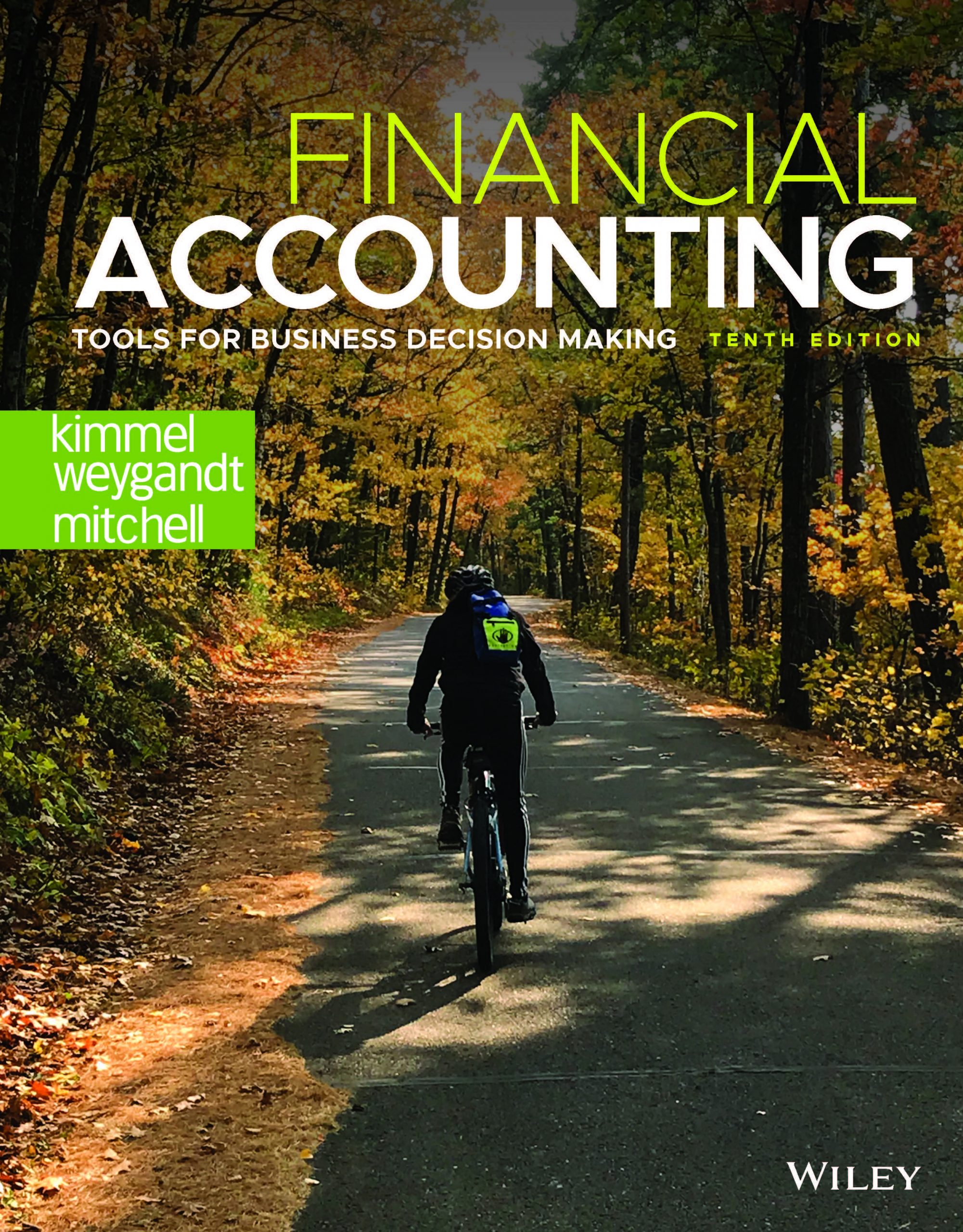
Kimmel Financial Accounting, 10th Edition
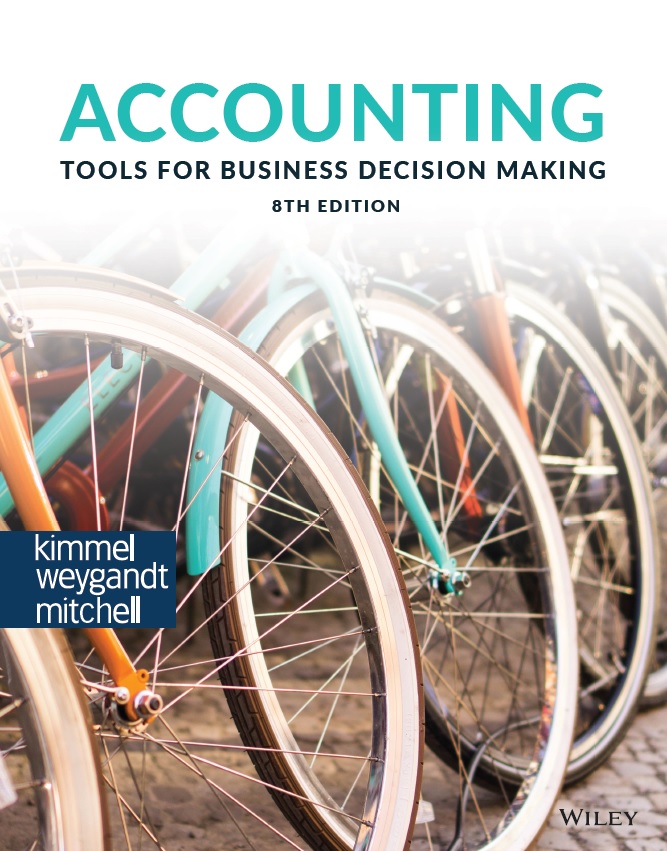
Kimmel Accounting, 8th Edition
Weygandt Financial Accounting, 11th Edition
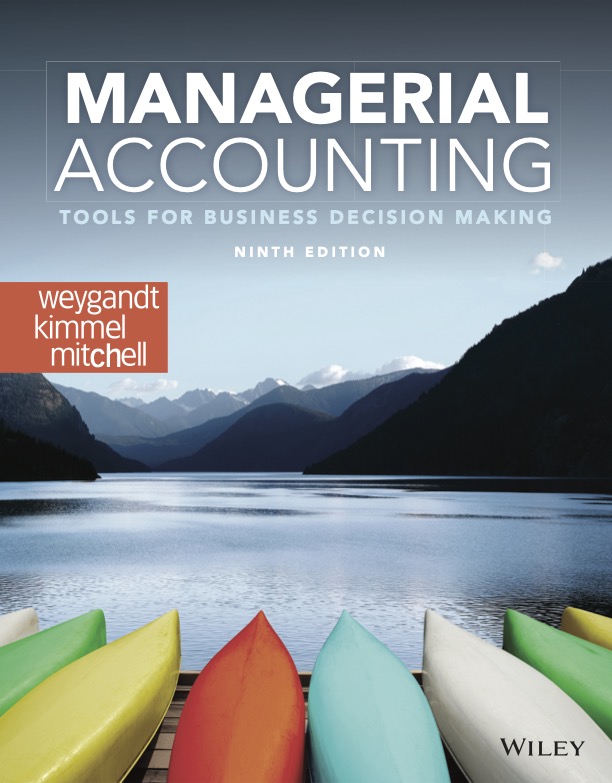
Weygandt Managerial Accounting 9e
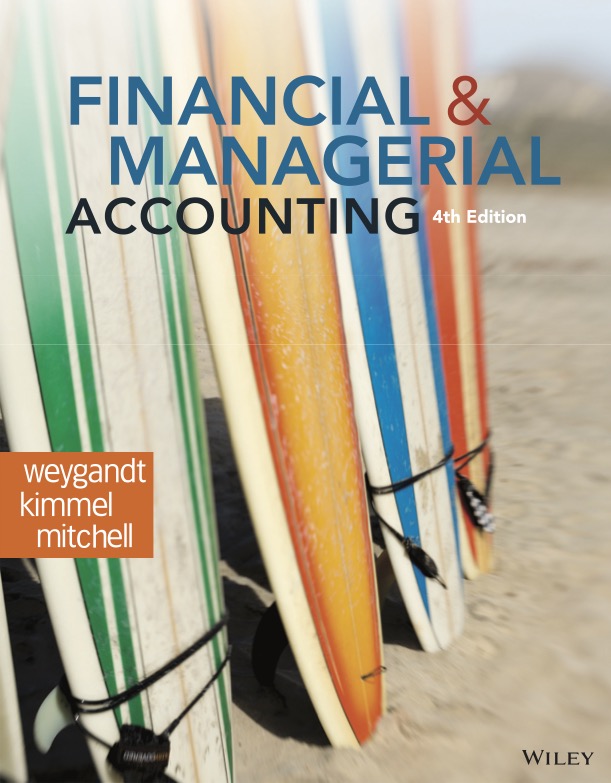
Weygandt Financial & Managerial Accounting 4e
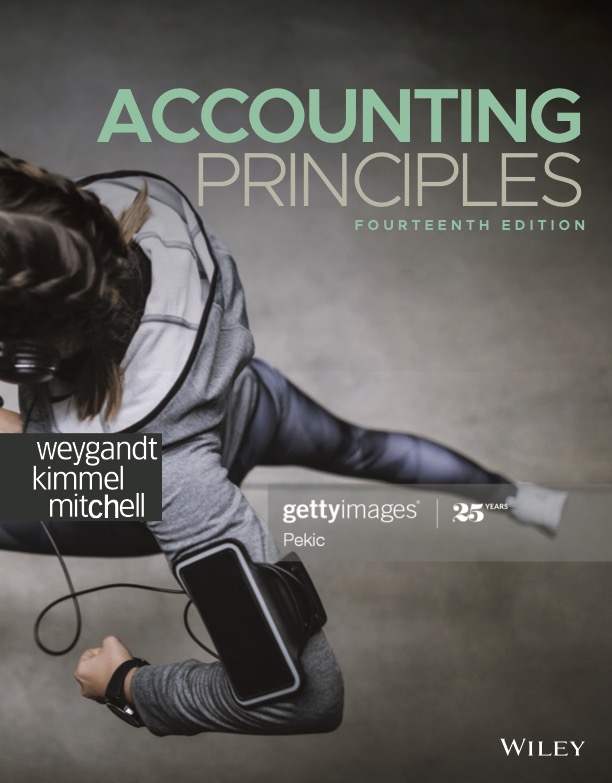
Weygandt Accounting Principles 14e
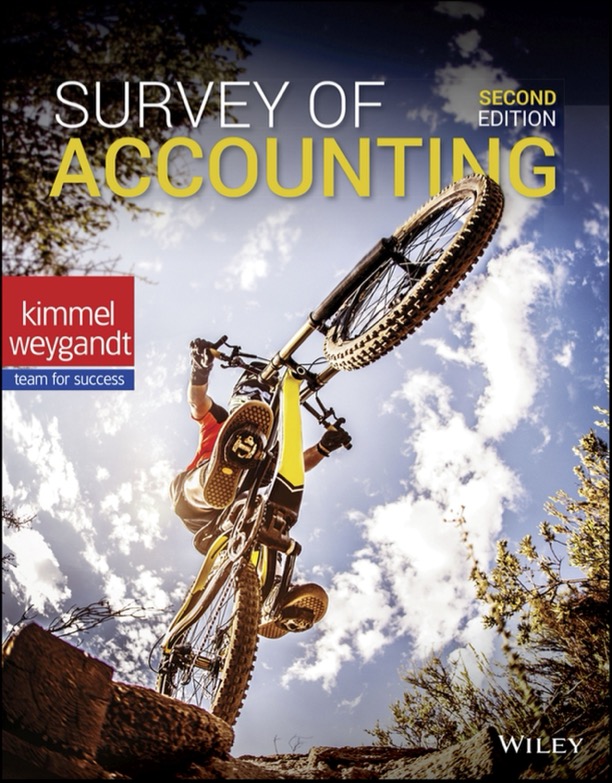
Kimmel Survey of Accounting 2e
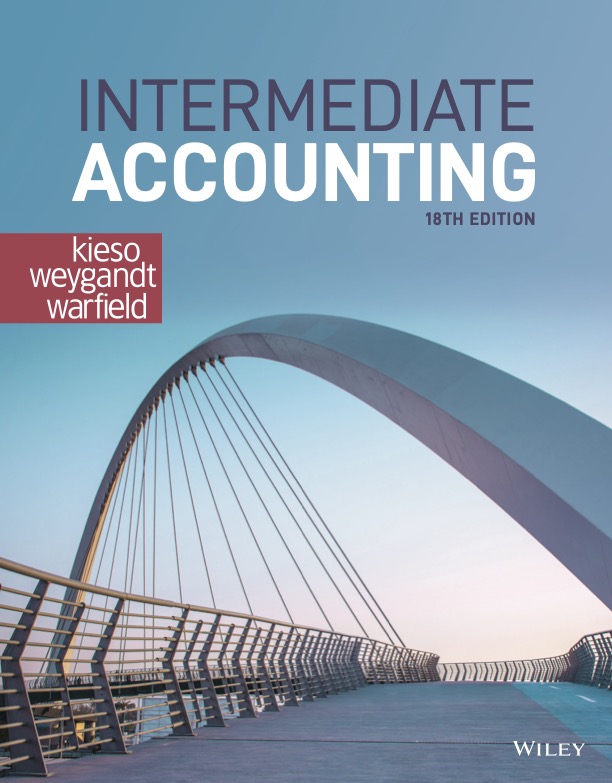
Kieso Intermediate Accounting 18e
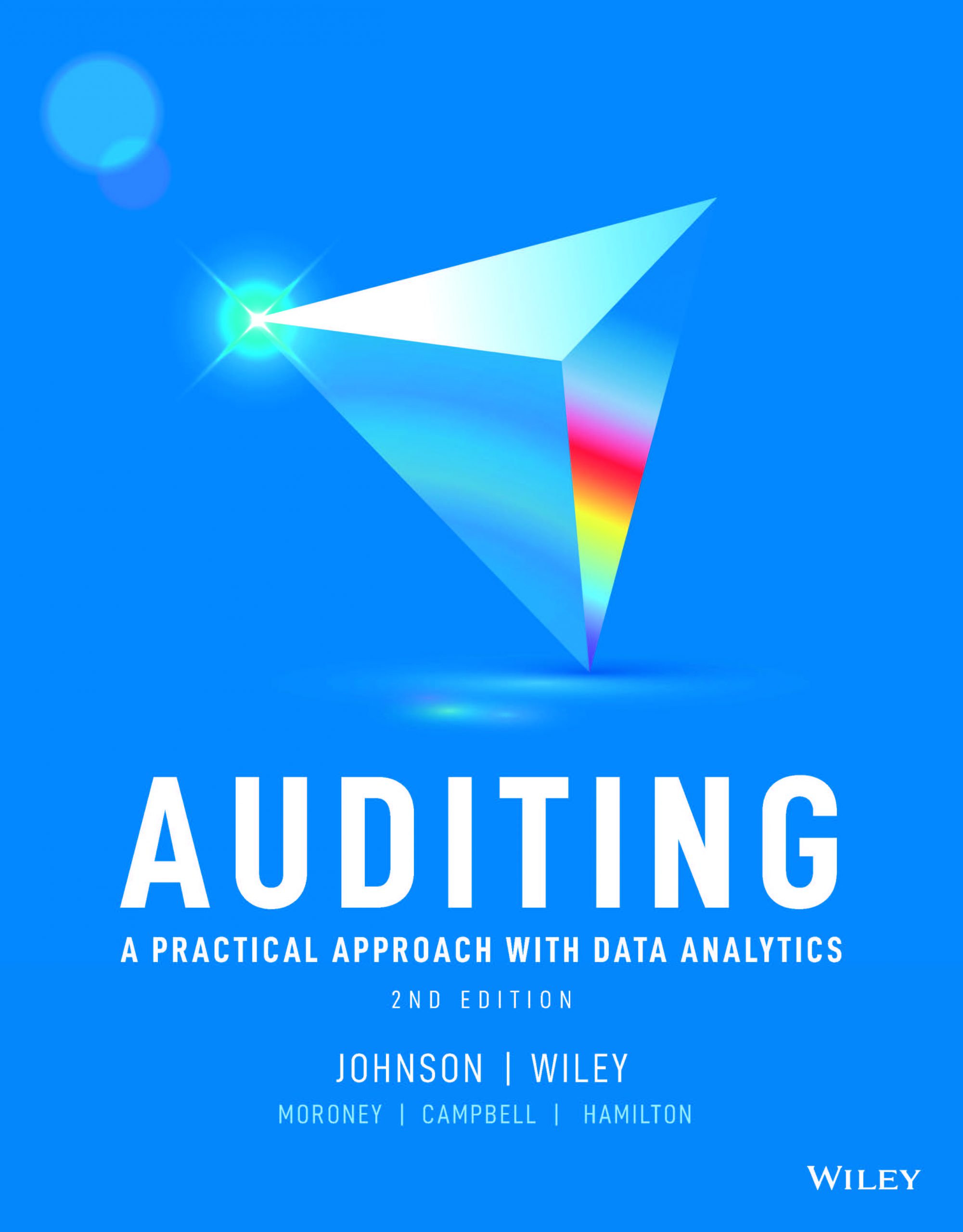
Johnson Auditing, 2nd Edition
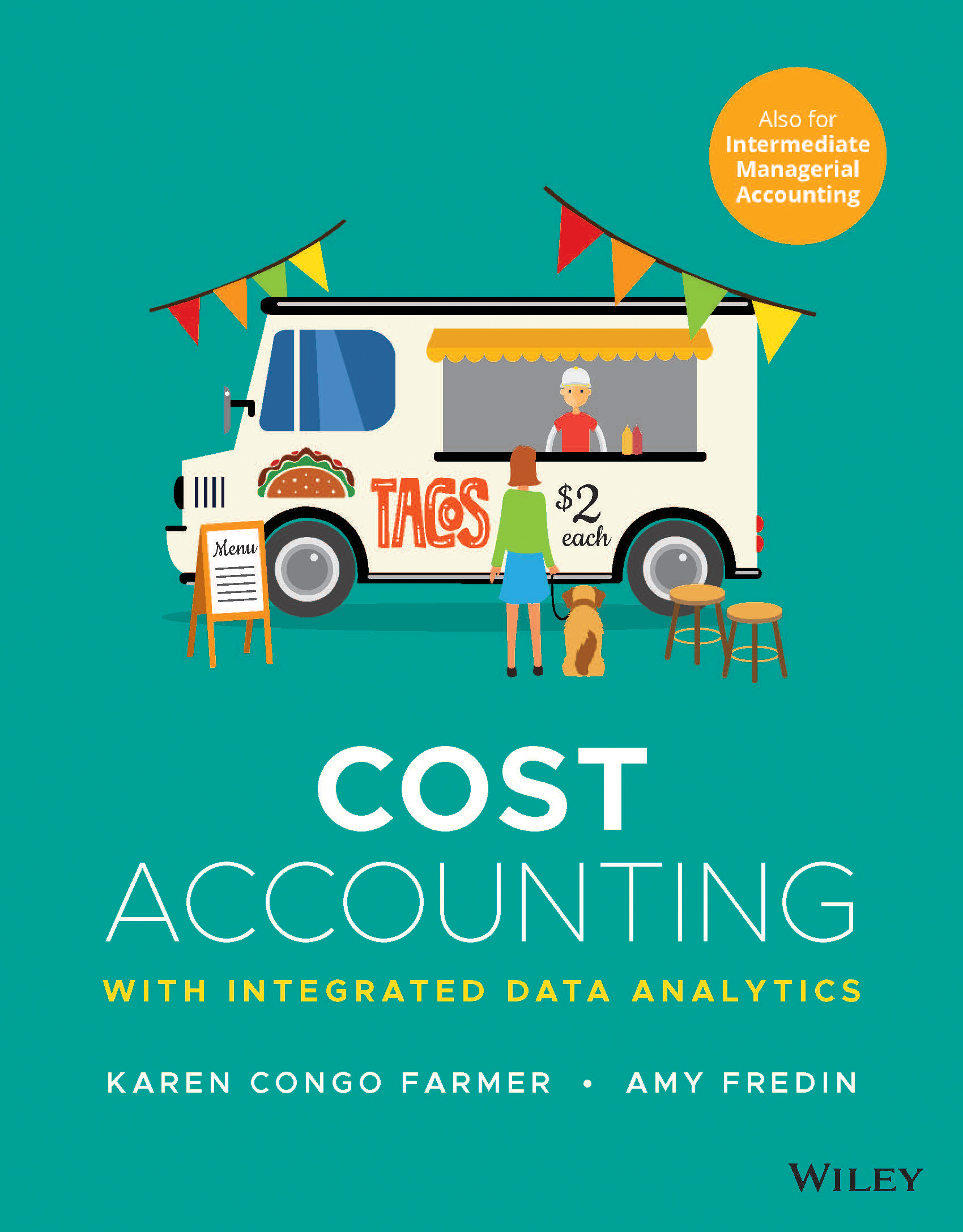
Farmer Cost Accounting, 1st Edition
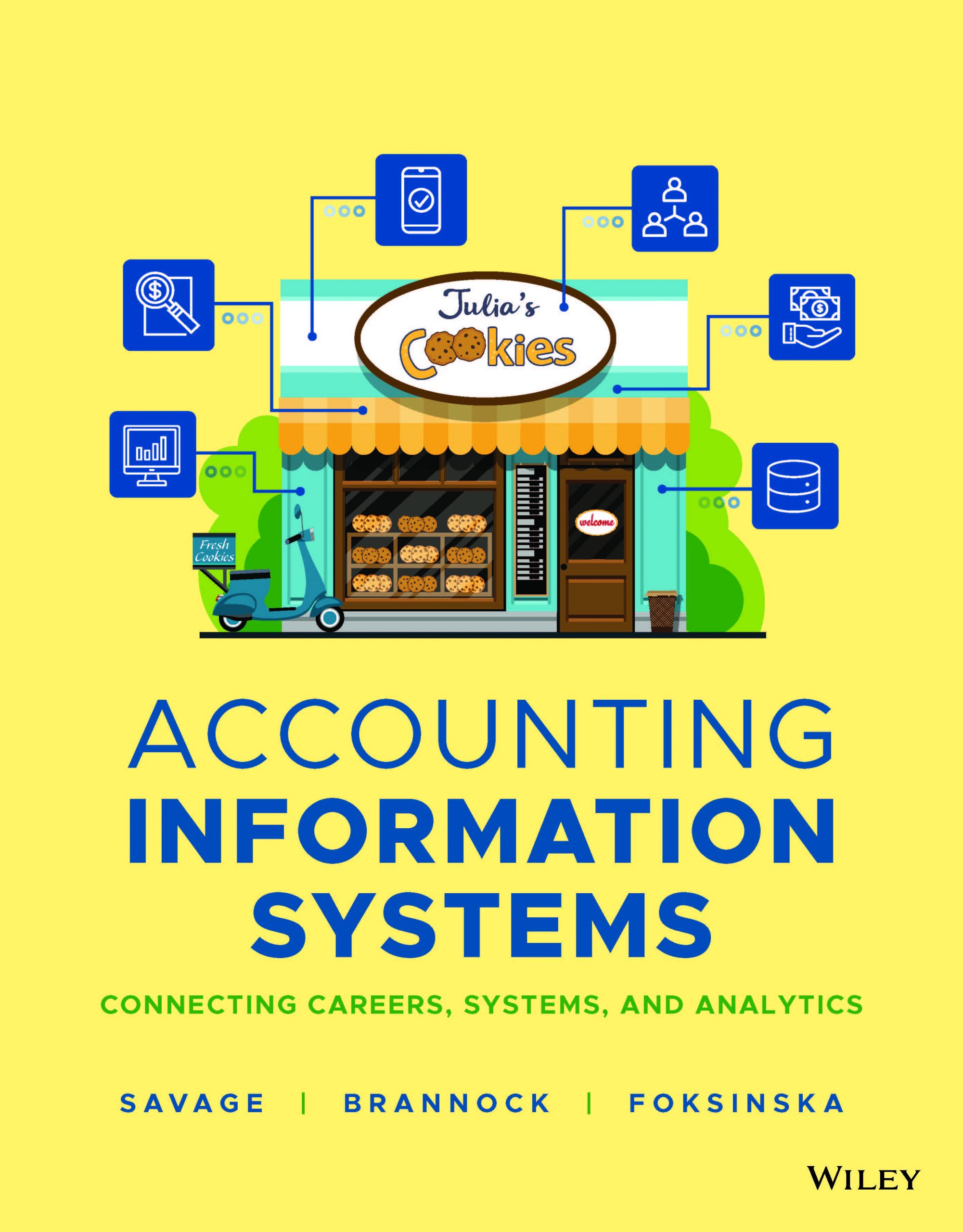
Savage Accounting Information Systems, 1st Edition