
McDonald’s is raising the hourly wages for its U.S. company-owned restaurants by an average of 10%. Questions: With this new raise at company-owned restaurants, how many workers does McDonald’s purpose to hire? With respect to the restaurant business, in general, why is McDonald’s doing this? What other fast-food restaurant, mentioned in the article and video,… Read more »
Posts Tagged: Employee Compensation
The “Look Policy” & a Class-Action Lawsuit
Abercrombie & Fitch’s “Look Policy” requires workers on the floor to wear “clothes, accessories and footwear that are similar in style and fit to the brand, and that are consistent with the current fashion season and colors” but that aren’t “clearly that of a competitor.” Questions: 1. Economic historian Price V. Fishback wrote that, “The… Read more »
Impending Huge Penalties!
The Kansas Supreme Court found that FedEx drivers were illegally misclassified as independent contractors from the late 1990s through 2011, despite being treated as employees. According to Alan Pyke, FedEx set contract agreements with delivery and pickup drivers in order to avoid the higher costs associated with making the drivers full employees. Questions: 1. What… Read more »
The Value of Newsjacking
Newsjacking refers to the practice of capitalizing on the popularity of a news story to amplify your sales and marketing success. The term was popularized in David Meerman Scott’s book Newsjacking: How to Inject Your Ideas into a Breaking News Story and Generate Tons of Media Coverage. In this video, Christine Romans and PR expert… Read more »
Bonuses, Anyone?
Alan Johnson is among a small group of behind-the-scenes information brokers who help determine how Wall Street firms distribute billions of dollars to their workers. He operates as a compensation consultant in an obscure corner of the management consulting industry and in the shadows of high finance. Questions: 1. What was the most interesting thing… Read more »
The confused world of outsourcing
India’s outsourcing giants — faced with rising wages at home — have looked for growth opportunities in the United States. But with Washington crimping visas for visiting Indian workers, some companies such as Aegis are slowly hiring workers in North America, where their largest corporate customers are based. In this evolution, outsourcing has come home…. Read more »
The Worst Footnote Disclosures of 2009
Every year, Michelle Leder at www.footnoted.org, takes a look at the worst footnote disclosures that companies try to bury in their routine SEC filings. As her website states, the financial footnotes are important for all users, including professional money managers and analysts, accountants, and individual investors. According to her article, there are a lot of… Read more »
Leading Accounting Courses
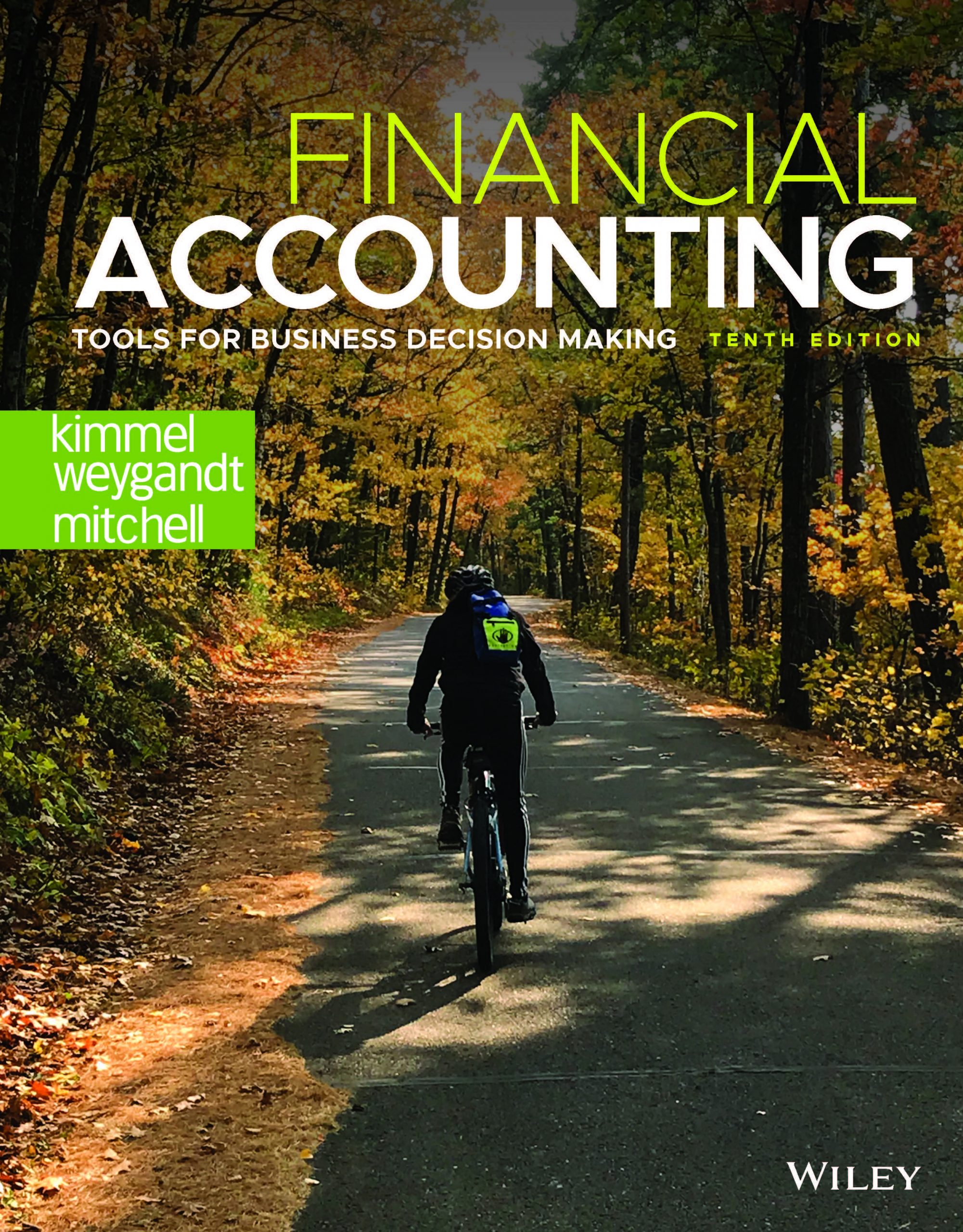
Kimmel Financial Accounting, 10th Edition
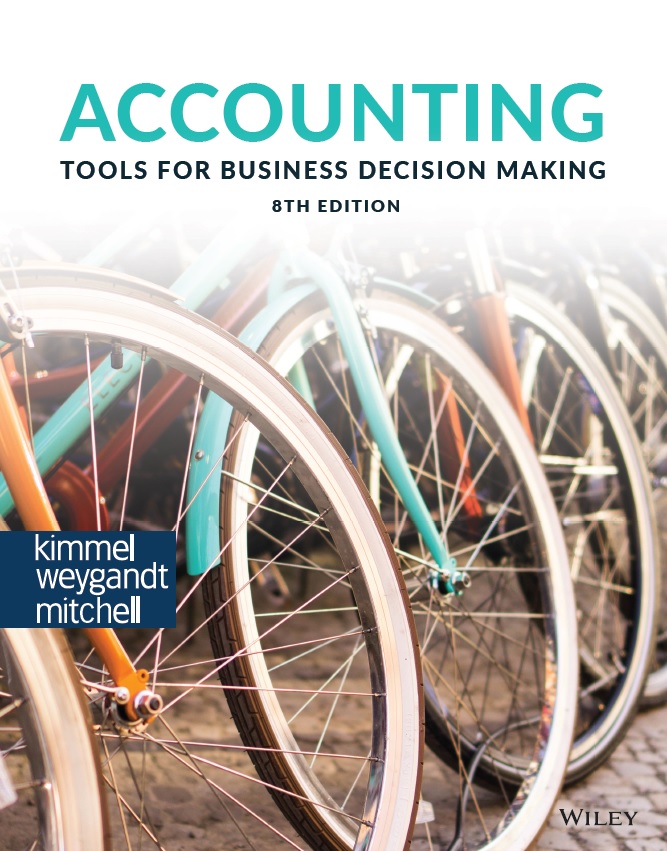
Kimmel Accounting, 8th Edition
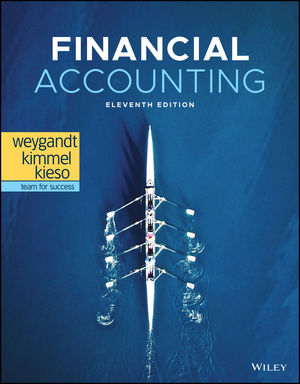
Weygandt Financial Accounting, 11th Edition
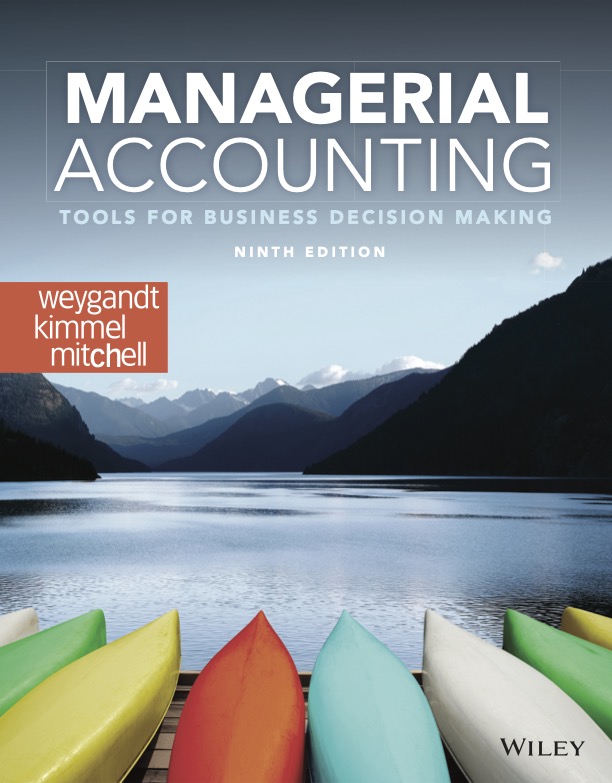
Weygandt Managerial Accounting 9e
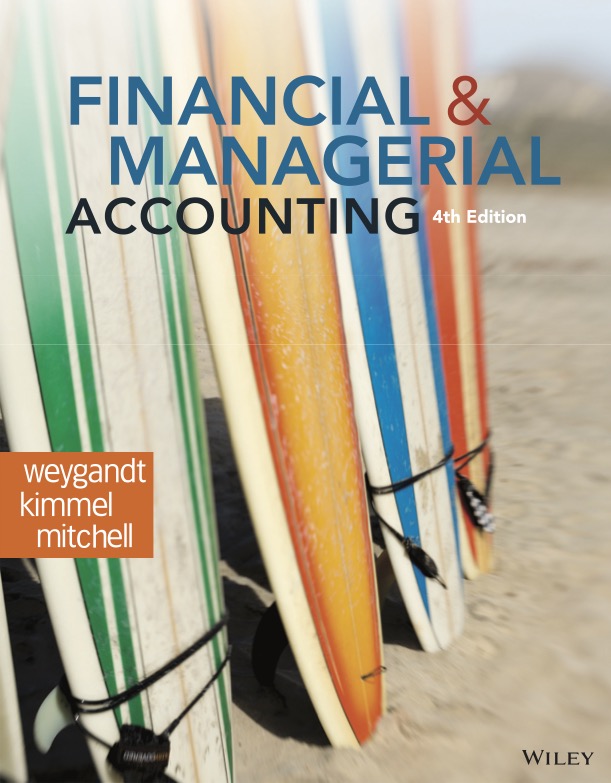
Weygandt Financial & Managerial Accounting 4e
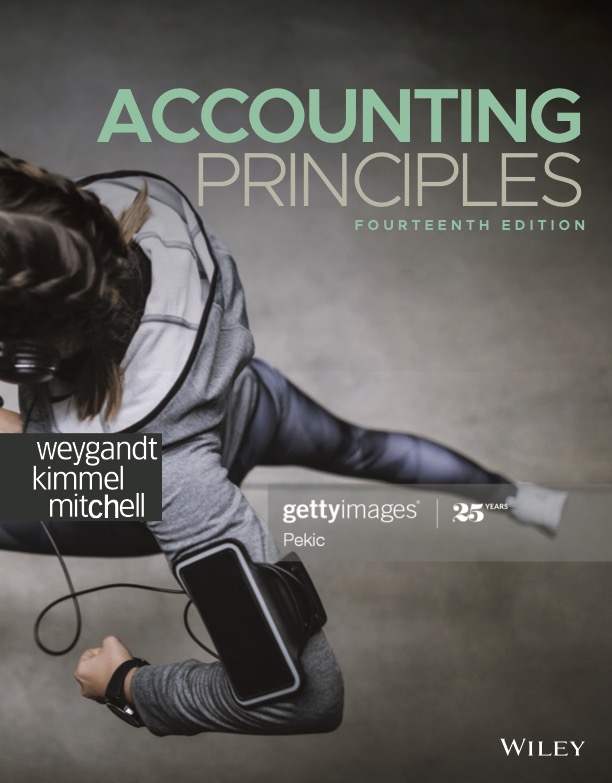
Weygandt Accounting Principles 14e
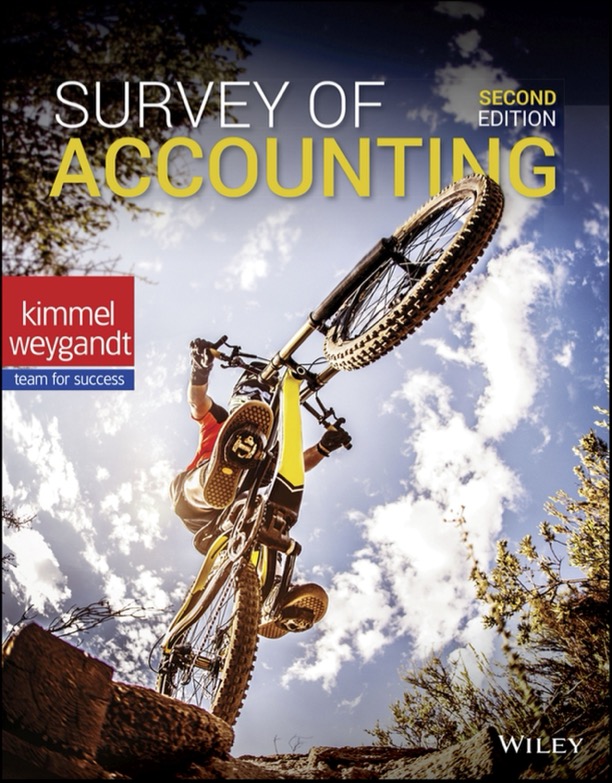
Kimmel Survey of Accounting 2e
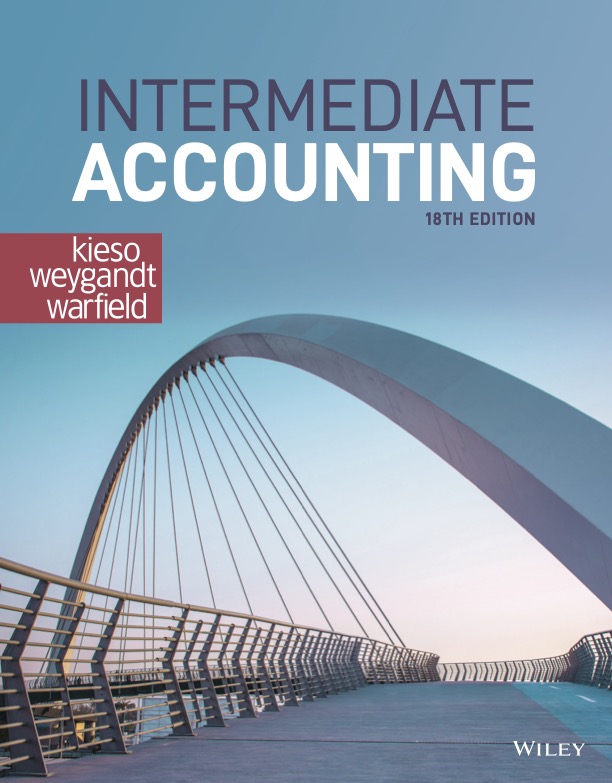
Kieso Intermediate Accounting 18e
Johnson Auditing, 2nd Edition
Farmer Cost Accounting, 1st Edition
Savage Accounting Information Systems, 1st Edition